Shaping the Spaces Between: An Introduction to Landscape Architecture
When looking at a striking structural landscape, it is easy to default to simple terminology. Many view the discipline as an extension of horticulture, an aesthetic layering of plant life, or a premium decorative treatment applied to the exterior of a building. In reality, it runs far deeper.
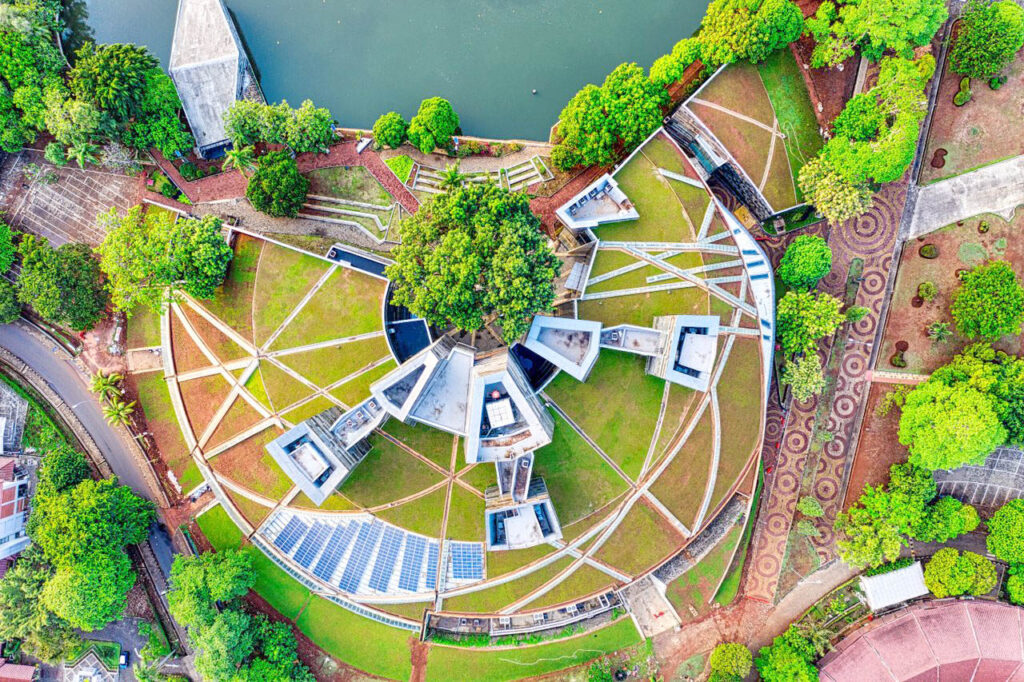
Landscape architecture is the conscious, deliberate design of the living spaces between our structures. It is a highly demanding discipline that occupies the absolute intersection of artistic expression, environmental science, and heavy structural engineering. It dictates exactly how humanity interfaces with the natural world within built environments.
The Three Core Columns of External Works
To fully understand what landscape architecture truly is, we must dissect the invisible layers that govern a successful project. True spatial design is never purely cosmetic; it relies on a flawless synthesis of three core parameters:
Structural Engineering & Grading: Long before any material finishes are considered, the earth itself must be mathematically mastered. Landscape architects engineer complex site grading, calculate rigorous drainage runoffs, design structural retaining walls, and ensure soil mechanics can permanently support heavy civil architecture.
Advanced MEP Dynamics: High-end external landscapes are active, breathing mechanical systems. A modern landscape project incorporates sophisticated Mechanical, Electrical, and Plumbing (MEP) infrastructure, ranging from automated, sub-surface irrigation grids to complex architectural water hydraulics, balancing tank systems, and low-voltage illumination networks.
Spatial & Environmental Ecology: Unlike internal architecture, the materials used in landscape design are alive and dynamic. Selecting flora requires deep biological foresight, ensuring ecosystems can withstand local climates, thrive alongside hardscape elements, and naturally regulate microclimates.
“Architecture creates the envelope of a building, but landscape architecture dictates how that building breathes within its environment.”
The Invisible Art of Spatial Experience
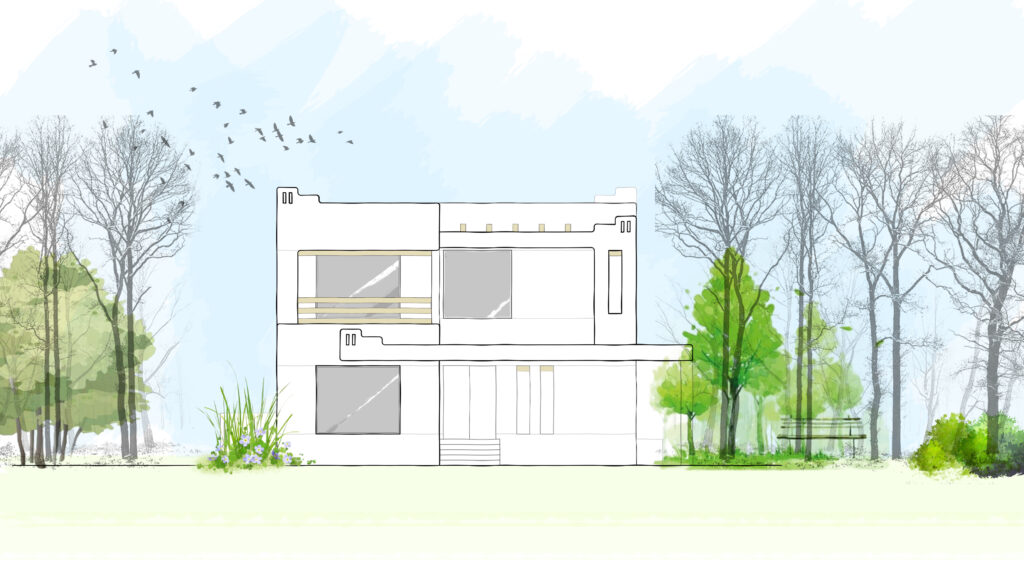
Why do certain outdoor spaces feel instantly grounding, premium, and seamless, while others feel disjointed? The answer lies in structural spatial routing. Landscape architects treat open air with the exact same volumetric rigor that an interior designer applies to a high-end indoor layout.
By mapping clear pedestrian vectors, manipulating sightlines, creating microclimates through thermal mass styling, and positioning custom hardscape features, the landscape becomes a multi-sensory journey. Every step is choreographed, from the tactile shift of premium natural stone underfoot to the acoustic dampening provided by precision-placed perimeter elements.
Technical Procurement and Long-Term Asset Maintenance
Translating visionary landscape architecture into a enduring physical reality requires working with trusted swimming pool suppliers in Dubai to source certified MEP pumps, commercial-grade filtration systems, and UV-resistant finishing materials that hold up against extreme desert heat.
Partnering with the best pool and landscaping companies in Dubai ensures that civil excavation, architectural rendering, and hydraulic installation are executed under a single unified standard. This prevents structural misalignment between hardscape decks, infinity edges, and living plant zones.
Even the most meticulously engineered landscape assets require ongoing mechanical care over time. Access to prompt pool repair in Dubai protects your villa’s infrastructure from unexpected pump failures, underground line leaks, or structural tile erosion, preserving both aesthetic perfection and property value.
An Inspiring Horizon for Aspiring Architects
For students entering the design and construction industry, landscape architecture represents one of the most exciting, multi-disciplinary fields of the modern era. It invites professionals to break out of the constraints of single rooms and move into a domain where they are physically sculpting the living fabric of our communities.
As our urban spaces evolve, the demand for practitioners who can confidently navigate heavy civil construction while remaining deeply sensitive to natural systems is skyrocketing. It is a career where you don’t just draft static elevations—you engineer living ecosystems that evolve, mature, and grow more beautiful over decades.
Bridging Design, Finish, and Construction
Ultimately, a masterfully executed landscape is a direct reflection of turnkey collaboration. When master pool building, civil contracting, MEP proficiency, and luxury interior design concepts merge seamlessly into the external grounds, the distinction between indoor luxury and outdoor environment completely vanishes.
Landscape architecture is the vital structural bridge that makes this unity possible. It elevates simple backyards into sophisticated, timeless architectural retreats.
Ready to transform your outdoor space? Contact Lushly Pools today for an end-to-end design and engineering consultation.