The Ultimate Guide to Palm Tree Varieties for Dubai Villa Gardens
Palm trees are the cornerstone of luxury outdoor design across the United Arab Emirates. From grand entrance driveways to intimate poolside retreats, selecting the right palm tree species elevates your garden’s aesthetic while providing vital shade and privacy. With dozens of palm species readily available across local UAE nurseries, understanding which varieties suit specific zones of your garden is essential for long-term health and low maintenance.
When designing or upgrading a villa garden, partnering with established landscaping companies in Dubai ensures that root barriers, irrigation requirements, and soil preparation are correctly handled from day one. Below is a detailed guide to the most popular, climate-tested palm tree varieties available in Dubai and how to use them effectively in your backyard.
1. Tall & Structural Accent Palms
For high boundary walls, grand entrance gates, or vertical statements alongside multi-story villas, tall structural palms offer dramatic scale.
Date Palm (Phoenix dactylifera)
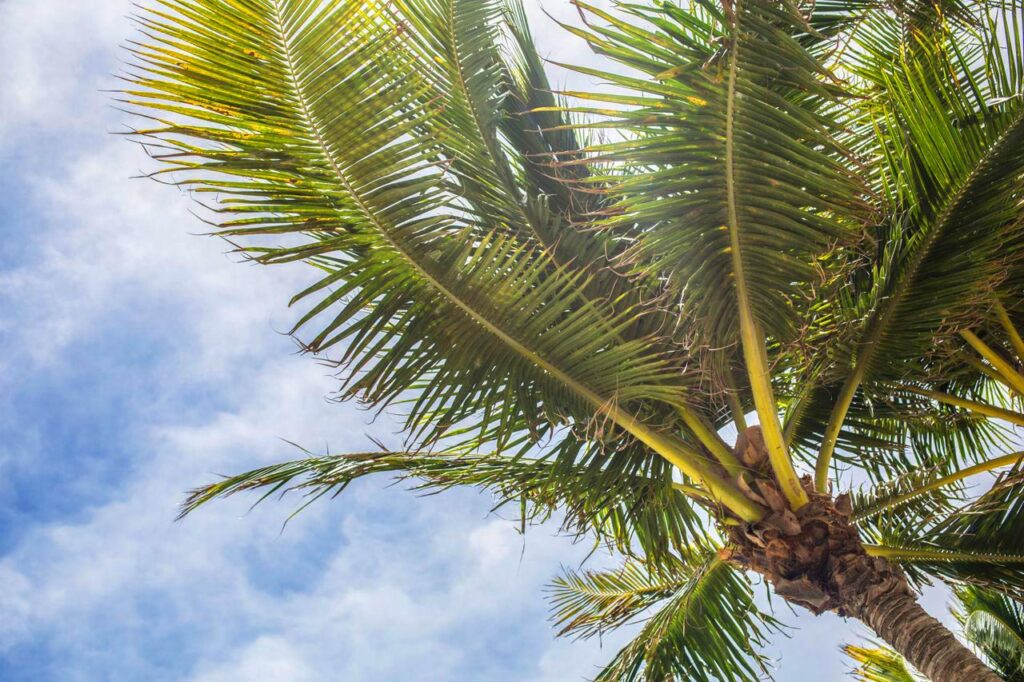
The quintessential regional palm, the Date Palm is deeply rooted in UAE culture and architecture. Known for its rugged geometric trunk and sweeping grey-green fronds, it is exceptionally drought-tolerant and handles extreme desert heat with ease.
Best Used For: Entrance focal points, large lawn centers, and authentic Arabian courtyard designs.
Washingtonia / Mexican Fan Palm (Washingtonia robusta)
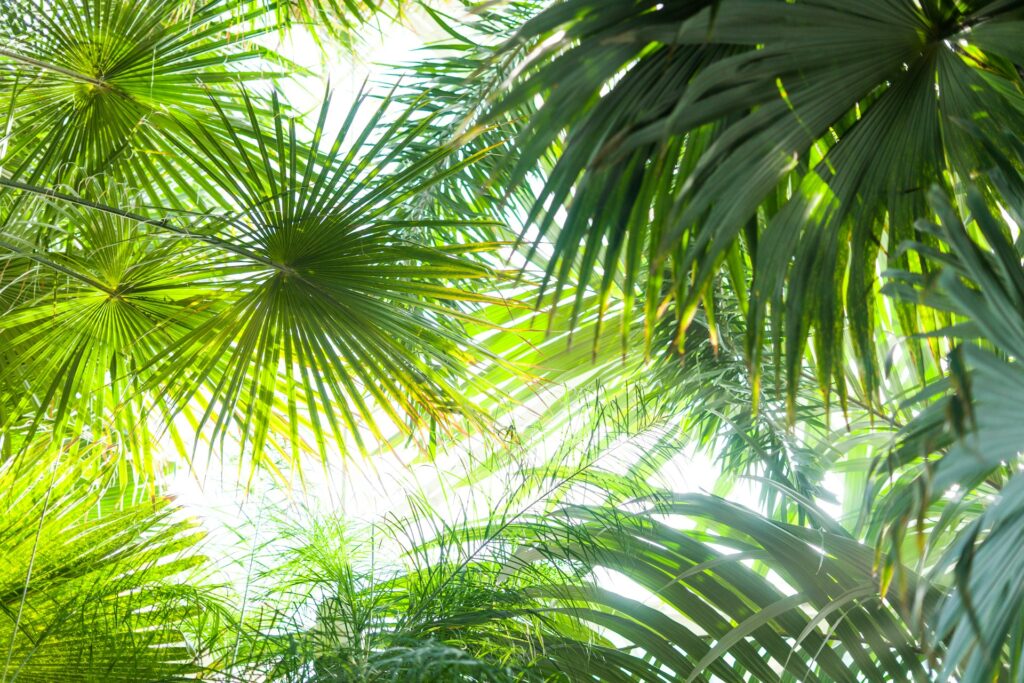
Recognizable by its tall, slender trunk and fan-shaped leaves, the Washingtonia grows rapidly and withstands coastal winds and intense sun.
Best Used For: High perimeter lining along villa boundary walls and tall vertical accents near outdoor pergolas.
Royal Palm (Roystonea regia)
Featuring a smooth, cement-like trunk and a vibrant green crown shaft, the Royal Palm brings an elegant, tropical resort aesthetic to residential properties.
Best Used For: Lining wide villa driveways and defining formal walkway avenues.
2. Poolside & Low-Debris Palm Species
Planting near swimming pools requires species with fibrous, non-invasive roots and clean fronds that won’t clog skimmer baskets or stain light-colored coping stone. Skilled pool repair contractors and landscape designers recommend these varieties around pool decks:
Foxtail Palm (Wodyetia bifurcata)
With its soft, plume-like fronds resembling a fox’s tail, this self-cleaning palm drops old leaves cleanly without shedding messy fibers.
Best Used For: Immediate pool margins, sun-lounger zones, and modern hardscape planters.
Bismarck Palm (Bismarckia nobilis)
Famous for its striking silver-blue fan leaves, the Bismarck Palm creates an immediate luxury focal point. Its slow growth rate makes it easy to maintain near paved patio areas.
Best Used For: Feature planting near pool waterfalls or central lawn island beds.
3. Privacy & Multi-Trunk Screening Palms
If your priority is blocking sightlines from neighboring properties or creating soft green buffers along boundary walls, clumping palms are the ideal choice.
Areca Palm (Dypsis lutescens)
A lush, multi-stemmed bamboo-style palm with bright green fronds. Areca palms grow densely, making them one of the most cost-effective green privacy screens in the UAE.
Best Used For: Perimeter boundary hedges and screening utility zones.
Senegal Date Palm (Phoenix reclinata)
A picturesque, multi-trunk leaning palm that adds a natural, wild desert oasis aesthetic to residential gardens.
Best Used For: Framing outdoor seating zones, fire pits, and natural stone water features.
Pygmy Date Palm (Phoenix roebelenii)
A dwarf palm species that rarely exceeds 2 to 3 meters in height, making it ideal for tight spaces.
Best Used For: Courtyard planters, decorative pots, and compact garden nooks.
Essential Palm Care & Structural Integration
Harmonizing Palm Landscapes with Swimming Pool Care
Integrating lush palm fronds near pool coping enhances privacy and aesthetic value, but windblown pollen and organic frond dust can compromise water clarity if left unmanaged.
To maintain an pristine poolside sanctuary, scheduling bi-weekly swimming pool cleaning in Dubai ensures that windblown plant dust and frond debris are cleared from surface skimmers before clogging filter media.
Relying on professional swimming pool cleaning services in Dubai preserves optimal chemical balance, preventing plant organic tannins from staining light-colored stone copings. Enlisting a dedicated pool cleaning and maintenance service keeps your filtration pumps and chillers humming, allowing your luxury palm garden to frame crystal-clear water year-round.
Essential Palm Care Tips for Dubai’s Climate
To keep your palm trees healthy year-round, professional landscape contractors in UAE recommend three core maintenance practices:
Automated Drip Irrigation: Palms require deep, consistent watering at root level. Connect all trees to an automated drip irrigation system rather than overhead sprayers to minimize water evaporation and leaf scorch.
Pest Protection: Protect mature palm investments against the Red Palm Weevil (Rhynchophorus ferrugineus) with twice-yearly systemic soil drenches and regular crown inspections.
Routine Hardscape & Pool Care: Working with experienced pool care services ensures that pool water splash-out containing high chlorine levels is managed around planter edges, protecting sensitive young palm roots.
Elevate Your Villa Landscape Today
Whether you want to create a tropical poolside oasis or install dense privacy screening along your boundary walls, selecting the right palm tree species is the first step toward a thriving garden.
Executing comprehensive landscaping works in Dubai requires a balance of soil preparation, irrigation engineering, and material selection. Contact our team of senior landscape architects and pool specialists today at Lushly Pools to schedule your custom villa design consultation!