The Frustration of Green Pool Water: Why It Happens
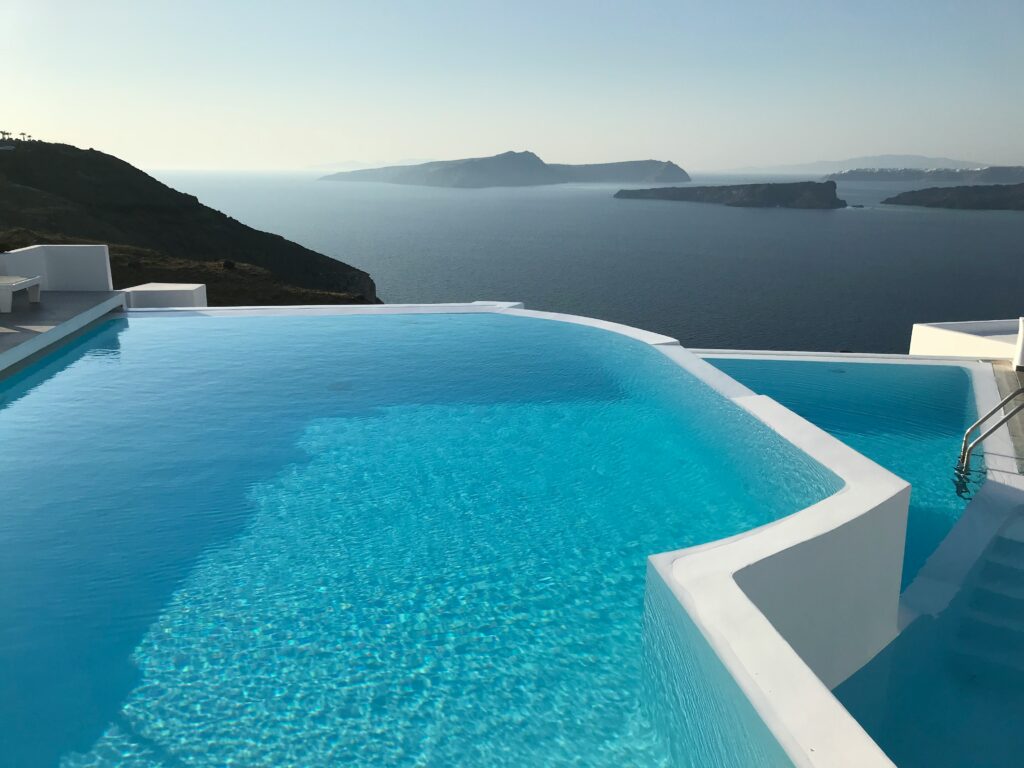
There is nothing quite as inviting as a sparkling, crystal-clear blue swimming pool. However, during the hot summer months, many homeowners step outside only to find their beautiful oasis has turned into a cloudy, green swamp. Dealing with green pool water in Dubai is an incredibly common issue, especially when the summer temperatures soar. The intense heat combined with bright, direct sunlight creates the perfect environment for a rapid takeover.
If your pool water has turned green, you might feel frustrated or confused about what went wrong. When you invest in a luxury pool design Dubai style, you expect it to look pristine all year round. The main culprit behind this sudden color change is almost always algae. Algae are tiny, microscopic plant-like organisms that can multiply at an alarming rate under the right conditions. When the protective chemicals in your pool water drop even slightly, these organisms seize the opportunity to grow. This guide will walk you through exactly why this happens and give you simple, step-by-step instructions to get your pool back to a gorgeous, sparkling blue.
The Chief Causes of Algae Growth in Local Swimming Pools
To prevent your backyard from turning green in the future, it is highly useful to understand why the algae started growing in the first place. Several factors work together to trigger an algae bloom, especially in a desert climate.
Intense Summer Heat and Sunlight: Algae thrive on heat and sunlight. In the Middle East, pool water temperatures can rise quickly, creating a warm “greenhouse” effect inside your pool shell. This warm water acts like an incubator, allowing a tiny amount of algae to double or triple in size in just a single afternoon.
Low Sanitizer or Chlorine Levels: Chlorine is the active shield that keeps your pool water safe, healthy, and clear. It actively attacks and destroys algae spores before they have a chance to multiply. If your chlorine levels drop too low—even for just a few hours—the protective barrier disappears. This can happen if you forget to add chlorine, if your saltwater generator stops working, or if the strong sun burns off the chlorine too quickly.
Poor Water Circulation and Filtration: Your pool filter is the kidney of your swimming pool. It constantly removes dirt, debris, and dead organic matter. If you do not run your pool pump long enough each day, the pool water stays completely still. Algae loves stagnant, unmoving water. When water circulation stops, hot spots form in the pool, creating perfect zones for algae to grow unchecked.
How to Fix Green Pool Water in Dubai: The Step-by-Step Guide
Do not feel discouraged if your pool is completely green. Reversing an algae bloom is straightforward if you follow a specific chemical process. Here is the exact, step-by-step method to clear up your water.
When Mechanical Failures Cause Sudden Algae Spikes
Sometimes green water isn’t caused by simple chemical neglect, but by underlying equipment breakdowns—such as a burnt-out chlorinator cell, an air leak in the suction line, or a cracked pump impeller. If your system fails to circulate water altogether during a heatwave, dispatching an emergency pool service near me becomes vital to prevent deep structural staining and health hazards.
Enlisting comprehensive swimming pool repair services ensures that pump mechanics, check valves, and salt chlorinators are thoroughly overhauled, stopping recurring green pool emergencies before they start.
Proactive Tips to Prevent the Green from Returning
Once your pool water is back to its beautiful, sparkling blue state, you will want to keep it that way. Preventing algae is much easier and far cheaper than cleaning up a green pool.
Run Your Pump Long Enough: During the peak summer season, make sure your pool pump runs for at least 8 to 10 hours every single day. This ensures that the water is fully circulated and filtered during the hottest hours of the afternoon.
Test Your Water Frequently: Keep a close eye on your chlorine and pH levels. Test your water at least twice a week. Catching a drop in chlorine early can save you from a major algae bloom.
Keep Your Pool Clean: Remove leaves, dust, and organic debris from the surface of the water daily. Organic matter acts as a direct food source for algae.
Use an Algaecide Weekly: Adding a small preventative dose of pool algaecide once a week acts as an extra layer of protection, stopping new algae spores from taking root.
Get Professional Help for Your Backyard Oasis
Dealing with green pool water in Dubai can be stressful, but with the right steps and a little patience, your backyard oasis can be restored to absolute perfection. A beautiful pool is the centerpiece of your overall backyard landscape design layout, and it deserves top-tier care.
If you are struggling to keep your pool water clean, balanced, and ready for swimming, you do not have to do it alone. Working with professional custom swimming pool builders in Dubai can help you establish the perfect system for your home.
We offer premium residential pool maintenance services in Dubai to handle all your chemical balancing, brushing, and equipment checks. Contact our expert team today to schedule a hassle-free pool service and keep your water sparkling clear all year round!